Ireland’s Gambling Regulator Reshapes European Betting Markets
The Seismic Shift in Irish Gambling Oversight
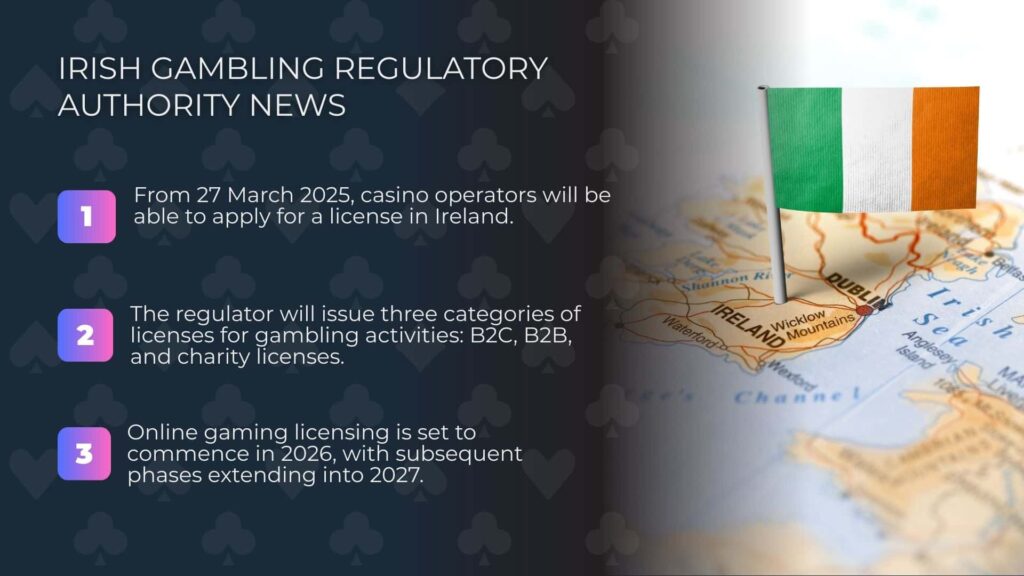
Ireland’s establishment of a comprehensive gambling regulatory framework in 2024 has sent ripples across the European betting landscape, fundamentally altering how operators approach the lucrative Irish market. The Gambling Regulation Bill, which came into effect in late 2024, created the Office of the Gambling Regulator (OGR) as Ireland’s first dedicated gambling oversight body, ending decades of fragmented regulation under the Gaming and Lotteries Act 1956.
The new regulatory structure affects an estimated €8.2 billion annual gambling market, with online betting accounting for approximately 67% of total gambling revenue in Ireland as of 2026. This transformation has particularly impacted lottery and bingo operators, who now face stringent licensing requirements and enhanced consumer protection measures that extend far beyond traditional retail operations.
For international betting operators, the Irish market represents both opportunity and challenge. Platforms like IviBet have had to navigate these new compliance requirements while maintaining competitive offerings for Irish players, demonstrating how established operators are adapting to the regulatory evolution.
Five Critical Compliance Requirements Reshaping Operations
1. Enhanced Identity Verification and Age Checks
The OGR mandates robust know-your-customer (KYC) procedures that go beyond basic identity verification. Operators must now implement real-time age verification systems, with failure to prevent underage gambling carrying penalties up to €5 million or 10% of annual turnover, whichever is higher.
2. Mandatory Affordability Assessments
Perhaps the most controversial requirement, operators must conduct affordability checks for customers spending more than €500 monthly or €2,000 annually. This represents a significant departure from the UK’s proposed thresholds and has forced operators to develop sophisticated financial assessment algorithms.
3. Advertising Restrictions and Social Responsibility
New advertising rules prohibit gambling promotions during live sports broadcasts before 9 PM and ban celebrity endorsements entirely. Bingo operators have been particularly affected, as traditional advertising methods relied heavily on daytime television slots and celebrity partnerships.
4. Technical Standards for Random Number Generation
The regulator requires certified random number generators for all digital lottery and bingo games, with mandatory third-party testing every six months. This has increased operational costs by an estimated 12-15% for smaller operators.
5. Financial Crime Prevention Measures
Enhanced anti-money laundering protocols now require transaction monitoring for deposits exceeding €3,000 within 30 days, with suspicious activity reporting thresholds significantly lower than previous informal guidelines.
Market Consolidation Accelerates Under New Framework
The regulatory burden has accelerated market consolidation, with smaller operators either exiting the Irish market or seeking acquisition by larger, better-resourced companies. Industry data shows that 23% of previously licensed operators have ceased Irish operations since the new framework’s implementation, while the remaining players have strengthened their market positions.
“We’re seeing a clear bifurcation in the market,” explains Dr. Sarah McKenna, gambling policy researcher at Trinity College Dublin. “Operators with robust compliance infrastructure are thriving, while those who relied on regulatory arbitrage are struggling to adapt. The Irish regulator has essentially created a template that other European jurisdictions are watching closely.”
This consolidation has been particularly pronounced in the bingo sector, where traditional operators faced challenges adapting legacy systems to meet new technical requirements. Several prominent bingo brands have merged operations or formed strategic partnerships to share compliance costs, fundamentally altering the competitive landscape.
Technology Investment Surge Transforms Operator Capabilities
Compliance with Irish regulations has driven unprecedented technology investment across the gambling sector. Operators report spending an average of €2.3 million on regulatory technology upgrades in 2025, with ongoing annual compliance costs averaging €890,000 for mid-sized operators.
Artificial intelligence and machine learning systems have become essential for real-time monitoring of player behavior, automated affordability assessments, and fraud detection. These technological advances, initially driven by regulatory necessity, are now providing competitive advantages through enhanced player insights and operational efficiency.
The lottery sector has particularly benefited from these technological investments. Advanced analytics now enable operators to identify problem gambling patterns more effectively while optimizing game mechanics for player engagement within regulatory constraints. Smart contract technology, increasingly popular in cryptocurrency gambling, is being adapted for traditional lottery operations to ensure transparent and verifiable random number generation.
Cross-Border Implications for European Gambling Markets
Ireland’s regulatory approach is influencing gambling policy across Europe, with several jurisdictions considering similar frameworks. The European Gaming and Betting Association reports that 67% of EU member states are reviewing their gambling regulations in light of Ireland’s comprehensive approach.
Cross-border operators face the challenge of maintaining consistent service quality while adapting to varying regulatory requirements. The Irish model’s emphasis on consumer protection and technical standards is becoming a de facto benchmark for European operations, forcing operators to elevate their compliance capabilities across all markets.
“The Irish regulator has raised the bar significantly,” notes James Patterson, regulatory affairs director at European Gaming Consultants. “We’re advising clients to treat Irish compliance standards as the baseline for European operations, as other regulators are likely to adopt similar requirements within the next 18-24 months.”
Revenue Impact Analysis Reveals Mixed Results
Initial revenue data shows a complex picture of the new regulation’s impact. While overall gambling revenue decreased by 8.3% in the first six months following implementation, this decline was primarily attributed to the exit of non-compliant operators rather than reduced player activity.
Compliant operators have actually seen revenue increases averaging 14.2% as market share consolidated among licensed providers. Bingo operators, in particular, have benefited from reduced competition and improved player trust resulting from enhanced consumer protections.
The lottery sector has shown remarkable resilience, with National Lottery sales increasing by 5.7% year-over-year in 2025. This growth is attributed to increased player confidence in regulated environments and the elimination of unlicensed competitors who previously offered lottery-style games without proper oversight.
Cryptocurrency Integration Challenges Under New Rules
The rise of cryptocurrency gambling has created unique challenges for Irish regulators and operators alike. While the new framework doesn’t explicitly prohibit cryptocurrency transactions, it requires the same level of transaction monitoring and customer verification as traditional payment methods.
Operators offering cryptocurrency options must now implement sophisticated blockchain analysis tools to ensure compliance with anti-money laundering requirements. This has led to partnerships between gambling operators and specialized cryptocurrency compliance providers, creating a new segment within the gambling technology ecosystem.
Anonymous crypto betting, once popular among privacy-conscious players, has become virtually impossible under Irish regulations. Operators must now link cryptocurrency wallets to verified customer identities, fundamentally changing the value proposition for crypto-native gambling platforms.
Future Regulatory Evolution and Industry Adaptation
Looking ahead, the Irish regulator has signaled intentions to further refine the framework based on initial implementation experiences. Proposed updates include enhanced protections for vulnerable players, stricter advertising guidelines, and potential expansion of affordability assessment requirements.
The industry consensus suggests that successful adaptation to Irish regulations provides a competitive advantage in other European markets. Operators who have invested in robust compliance infrastructure are better positioned for expansion as similar regulatory frameworks emerge across the continent.
For lottery and bingo operators specifically, the Irish model demonstrates the importance of proactive regulatory engagement and technology investment. Those who view compliance as a strategic differentiator rather than a burden are emerging as market leaders in the new regulatory landscape.
The transformation of Ireland’s gambling market represents more than regulatory change—it signals a fundamental shift toward mature, consumer-focused gambling markets across Europe. Operators who embrace this evolution while maintaining competitive offerings will define the industry’s future in an increasingly regulated environment.